
Wobbler Syndrome in Dogs: Causes, Symptoms, and Treatment
Wobbler syndrome in dogs is a neurologic condition that affects the cervical spine, leading to spinal cord compression and causing an unsteady, wobbly gait, especially in the hind legs. It most often appears in large and giant breed dogs and can progress over time, affecting mobility, coordination, and quality of life. Early recognition and advanced diagnostics play an important role in identifying the condition and guiding the most appropriate treatment plan.
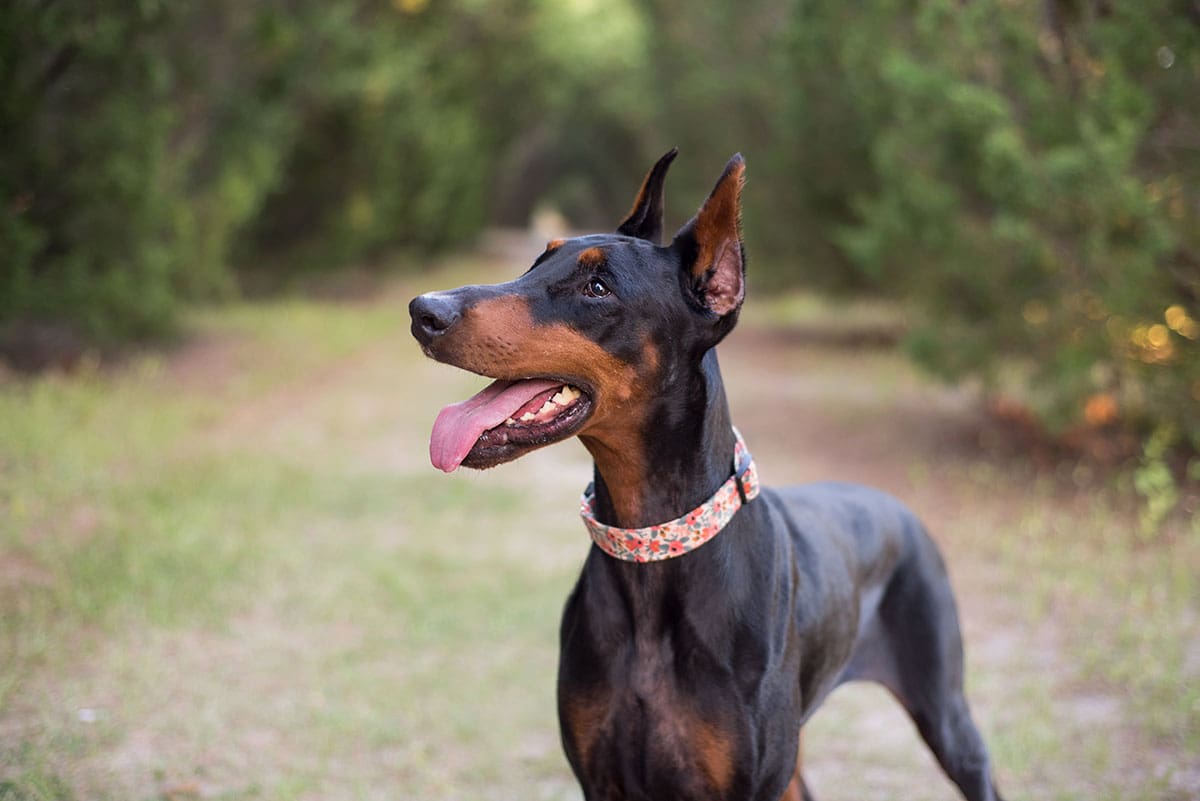
What Is Wobbler Syndrome in Dogs?
Wobbler syndrome refers to a group of conditions that cause compression of the spinal cord in the neck (cervical spine). This compression disrupts the normal transmission of nerve signals between the brain and body, which leads to the characteristic unsteady movement seen in a dog with wobbler syndrome.
Veterinarians may also refer to this condition as cervical spondylomyelopathy (CSM). It can develop due to abnormalities in the vertebrae, intervertebral discs, or surrounding ligaments. Over time, these structural changes place pressure on the spinal cord, resulting in neurologic deficits that affect coordination, strength, and posture.
While wobbler syndrome can affect different breeds, it most commonly occurs in:
- Doberman Pinschers
- Great Danes
- Mastiffs
- Weimaraners
Breed predisposition, rapid growth, and biomechanical stress on the cervical spine all contribute to the development of this condition. The way wobbler syndrome presents can vary widely, which is why a detailed neurologic evaluation is essential for accurate diagnosis.
What Causes Wobbler Syndrome?
Several structural issues in the cervical spine can lead to wobbler syndrome in dogs. These causes generally fall into two main categories, each affecting dogs at different life stages.
Disc-Associated Compression
This form typically affects middle-aged to older dogs, especially Doberman Pinschers. Degeneration or protrusion of the intervertebral discs places pressure on the spinal cord. As the disc material shifts, it narrows the space within the spinal canal and interferes with normal nerve signaling. In these cases, the instability of the cervical spine may also contribute to dynamic compression, meaning the pressure on the spinal cord changes with movement. Over time, this compression may worsen, particularly if the dog continues normal activity without intervention. Chronic pressure can lead to progressive neurologic decline.
Bone-Associated Compression
This type is more often seen in younger, rapidly growing large and giant breed dogs such as Great Danes. Abnormal development of the vertebrae or surrounding structures leads to narrowing of the spinal canal and compression of the spinal cord. In some dogs, multiple areas of compression may be present at the same time. This can make the condition more complex and influence both treatment decisions and long-term outcomes.
Symptoms of Wobbler Syndrome in Dogs
The signs of wobbler syndrome can vary in severity and may progress gradually. Many pet owners first notice subtle changes in their dog’s movement before more obvious symptoms develop.
Common signs include:
- A wobbly or unsteady gait, especially in the hind limbs
- Weakness in the back legs
- Difficulty standing up or walking on slippery surfaces
- Short, choppy steps in the front legs
- Neck pain or stiffness
- Reluctance to move, play, or climb stairs
As the condition progresses, a dog with wobbler syndrome may develop more noticeable coordination issues. Some dogs cross their back legs when walking or appear to sway from side to side. Others may drag their paws, which can lead to worn nails or skin irritation on the tops of the feet.
In more advanced cases, weakness can affect all four limbs. Dogs may struggle to rise, tire quickly during walks, or show a marked decline in activity. Pain is not always obvious, but some dogs display sensitivity when the neck is touched or moved.
How Is Wobbler Syndrome Diagnosed?
Diagnosing wobbler syndrome in dogs requires a combination of physical examination and advanced imaging. Because several neurologic and orthopedic conditions can present with similar symptoms, an accurate diagnosis is essential.
A veterinary team will begin with a detailed neurologic exam to evaluate gait, limb placement, reflexes, and pain response. This exam helps localize the issue to the cervical spine and determines the severity of neurologic involvement. Advanced imaging then provides a clearer picture of what is happening within the spine.
Common diagnostic tools include:
- MRI (magnetic resonance imaging) to visualize soft tissues and spinal cord compression
- CT (computed tomography) scans for detailed bone structure evaluation
- X-rays to assess spinal alignment and screen for other abnormalities
MRI is often considered the most informative diagnostic tool for wobbler syndrome, as it allows specialists to evaluate both the spinal cord and surrounding structures in detail. This information is critical when determining whether medical or surgical management is more appropriate.
Treatment Options for Wobbler Syndrome in Dogs
Treatment for wobbler syndrome depends on the severity of the condition, the underlying cause, and the individual dog’s overall health. A tailored approach helps address both the structural issue and the dog’s current neurologic status.
Medical Management
For mild to moderate cases, medical management may help reduce inflammation and improve comfort. This approach often includes activity restriction, controlled exercise, and close monitoring for any changes in mobility.
Dogs undergoing medical management typically require regular follow-up evaluations to assess progression. Some dogs remain stable for extended periods, while others may show gradual changes that prompt reconsideration of treatment options.
Surgical Intervention
Surgery is often recommended for dogs with more advanced neurologic signs or those who do not respond to conservative management. The goal is to relieve pressure on the spinal cord and stabilize the affected area of the spine.
Surgical techniques vary based on the type and location of compression. Some procedures focus on removing disc material, while others aim to stabilize the vertebrae and prevent further movement that contributes to compression. Specialty centers offer advanced surgical capabilities and monitoring, which can improve both safety and outcomes for complex spinal procedures.
Rehabilitation and Supportive Care
Rehabilitation supports recovery and helps dogs regain strength and coordination after treatment. Physical therapy plans are individualized and may include guided exercises, balance work, and controlled activity progression.
Supportive care strategies may include:
- Structured, low-impact exercise routines
- Assistance with mobility during recovery
- Adjustments to the home environment to reduce slipping or strain
These strategies help improve comfort and support long-term function, particularly for dogs recovering from surgery.
What Is the Prognosis for Dogs With Wobbler Syndrome?
The outlook for a dog with wobbler syndrome depends on several factors, including how early the condition is identified and how severely the spinal cord is affected at the time of diagnosis. Dogs with mild symptoms may maintain good mobility with appropriate management and monitoring. In these cases, progression may be slow, and quality of life can remain stable for an extended period.
Dogs that undergo surgery often experience improvement in coordination and strength, although recovery timelines vary. Some dogs show noticeable progress within weeks, while others require several months of rehabilitation before reaching their full potential. In more advanced cases, the degree of spinal cord damage may influence how much improvement is possible. However, even if pets show initial signs of improvement with either conservative medical management or surgical treatments, they may still have progression of clinical signs due to the progressive nature of the condition.
When to Seek Advanced Care for Wobbler Syndrome
If your dog shows signs of neurologic changes, early evaluation can make a meaningful difference in both diagnosis and treatment outcomes. Subtle changes in gait, posture, or activity level often provide the first indication that something is affecting the spinal cord.
Wobbler syndrome in dogs requires careful assessment and often benefits from advanced imaging and specialist involvement. A referral to a specialty center like Veterinary Specialty Center allows for a more detailed evaluation and access to a wider range of treatment options. Prompt attention is especially important if symptoms are progressing or affecting your dog’s ability to walk, stand, or perform normal daily activities.
Schedule an Evaluation for Your Dog
If you are concerned about signs of wobbler syndrome or changes in your dog’s mobility, our team at Veterinary Specialty Center in Bannockburn, IL, is here to help. We provide advanced neurologic evaluations, imaging, and treatment options tailored to your dog’s needs. Call (847) 459-7535 or request an appointment online to schedule a consultation with our specialty team.
Recent Posts
About Us
Veterinary Specialty Center is a privately-owned, 24/7 emergency and specialty animal hospital located in Bannockburn, IL. Since 1976, their team of board-certified specialists has delivered advanced, compassionate care, leading the way with innovative treatments and a collaborative approach.