
A Breakthrough in FIP Treatment Every Veterinarian and Pet Owner Should Know About
Feline Infectious Peritonitis, more commonly known as FIP, has long been one of the most devastating diagnoses in feline medicine. For decades, it was considered a fatal disease with no effective legal treatment. That has changed. Today, there is a legal and effective therapy available, and it is saving cats’ lives.
At Veterinary Specialty Center, we frequently speak with general practice veterinarians who are surprised to learn that FIP is no longer universally fatal. Many are unaware that treatment options now exist and can lead to remission when started early and managed appropriately.
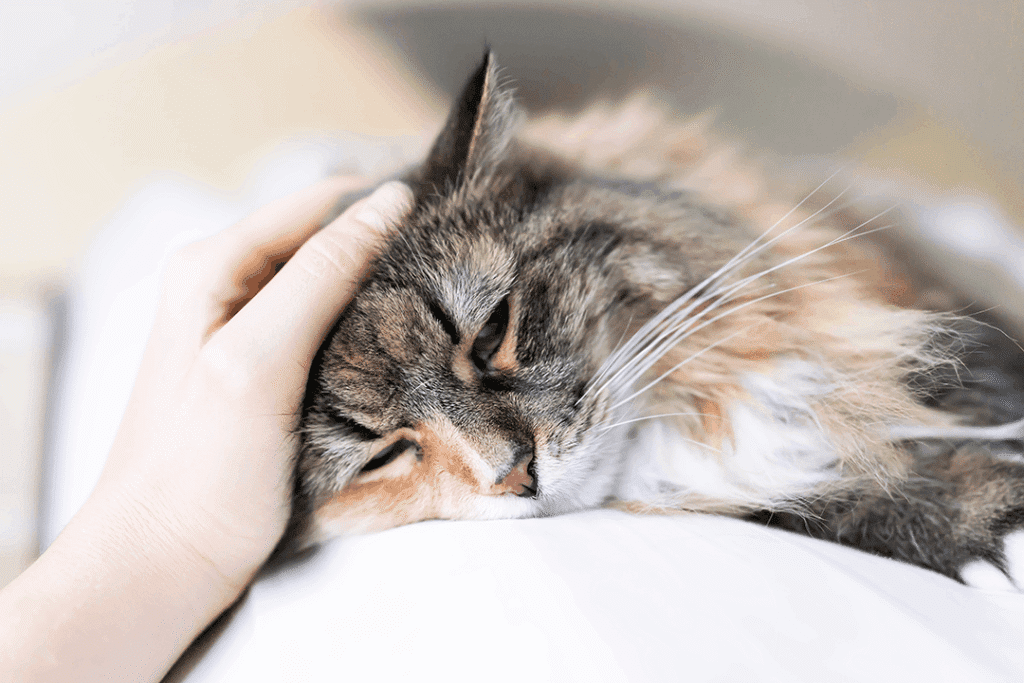
What Is FIP in Cats?
FIP is caused by a mutation of feline coronavirus. While many cats are exposed to feline coronavirus and experience mild or no symptoms, in some cats, the virus mutates and triggers a severe inflammatory response throughout the body.
There are different forms of FIP:
- Effusive or wet form, which causes fluid buildup in the abdomen or chest
- Non-effusive or dry form, which affects organs such as the eyes, brain, liver, or kidneys
- Mixed presentations that include features of both
Historically, once a diagnosis of FIP was made, supportive care was the only option. The disease would progress despite intervention, leading to a heartbreaking outcome for families.
Why Perceptions Have Not Caught Up
Medical advancements in antiviral therapy have significantly changed the outlook for cats with FIP. These medications work by inhibiting viral replication, giving the immune system a chance to recover and control the disease. When used under veterinary supervision, these treatments have shown high success rates.
However, awareness has not kept pace with science. Many veterinarians trained at a time when FIP was always fatal. Continuing education may not always highlight the rapid evolution of FIP therapy. As a result, some cats may not be offered treatment simply because the information has not reached every practice.
At Veterinary Specialty Center, we often receive referrals from primary veterinarians seeking guidance after learning that effective treatment is available. In many cases, pet owners discover this information through their own research and ask about referral options.
What are the Signs of FIP in Cats?
Early recognition remains critical. Clinical signs vary depending on the form of the disease but may include:
- Persistent fever that does not respond to antibiotics
- Weight loss and decreased appetite
- Lethargy
- Abdominal distension from fluid accumulation
- Difficulty breathing
- Neurologic signs such as balance issues or behavior changes
- Eye inflammation or vision changes
Because these signs overlap with other conditions, diagnosis often involves bloodwork, imaging, and specific testing to support a clinical suspicion of FIP.
If your cat is experiencing symptoms, prompt evaluation is essential. Early diagnosis improves the likelihood of successful treatment.
What Treatment Involves
Treatment for FIP involves a structured course of antiviral medication along with careful monitoring. Most cats require several weeks of therapy, with regular rechecks and laboratory testing to assess response.
Encouragingly, many cats begin to show improvement within weeks. Appetite returns, energy levels increase, and fluid accumulation resolves. With proper management, many patients achieve remission and go on to live healthy lives.
This represents a dramatic shift from what was once considered an untreatable disease.
How We Can Help
The Internal Medicine team at Veterinary Specialty Center has experience diagnosing and managing FIP using current treatment protocols. We work closely with referring veterinarians to provide collaborative care and ensure that patients receive appropriate monitoring throughout therapy.
If your veterinarian suspects FIP or if your cat has already been diagnosed, we encourage you to contact the Veterinary Specialty Center to discuss options. Early referral can make a meaningful difference in outcome.
We also provide detailed information about FIP, including diagnosis and treatment considerations, on our website for pet owners and veterinary professionals seeking reliable guidance.
Hope for Cats with FIP
FIP is no longer an automatic loss. Legal and effective treatment exists, and awareness is key to ensuring that cats have access to it. By sharing updated information and encouraging collaboration between specialists and primary care veterinarians, we can continue to improve outcomes for feline patients.
If you have questions about FIP treatment or would like to schedule a consultation, contact Veterinary Specialty Center. Every cat deserves the opportunity for care based on the most current medical advances available today.
Recent Posts
About Us
Veterinary Specialty Center is a privately-owned, 24/7 emergency and specialty animal hospital located in Bannockburn, IL. Since 1976, their team of board-certified specialists has delivered advanced, compassionate care, leading the way with innovative treatments and a collaborative approach.