
Posts by Kathy Mordini
Kiara’s Story: Shedd Aquarium Turns to VSC to Provide Sea Otter with Lymphoma Treatment

For many years, Veterinary Specialty Center has collaborated closely with the Shedd Aquarium providing surgery and specialty care for some of their animals. Recently, Dr. Rhonda Feinmehl and her team worked with them to create a special protocol, provide treatment and direct the care for Kiara the sea otter who was diagnosed with lymphoma. Her…
Read MoreDiabetes in Dogs

Mimi Noonan, DVM, DACVIM Diabetes is a common hormonal problem of dogs and occurs when there is either a deficiency of insulin or cellular resistance to its effects. Dogs with diabetes most commonly come to the veterinarian because they are losing weight, drinking excessive amounts of water and urinating more frequently, sometimes breaking housetraining. Just…
Read MoreWhat’s With the Cat’s Big Kidneys

Jerry A. Thornhill, DVM, DACVIM There is an assumed differential diagnostic dilemma of Renomegaly (big kidneys) in cats, encountered by veterinarians in private practice, ER facilities, specialty clinics, and veterinary school teaching hospital settings. The standard thought process separates the anatomically enlarged Renal Structure(s) – noted on abdominal palpation, and confirmed by Abdominal Radiograph application…
Read MoreDiet-Associated Heart Disease

Trevor Gerlach, DVM, DACVIM (Cardiology) Diet-associated dilated cardiomyopathy (DCM) was first described in cats in the 1980s. The development of DCM in those feline patients was linked to a dietary deficiency of the amino acid, taurine. Unlike dogs, cats are unable to synthesize taurine from their diet making it an essential amino acid for cats.…
Read MoreUnder Pressure: A review of pulmonary hypertension
Trevor Gerlach, DVM, Diplomate ACVIM (Cardiology) The pulmonary vasculature is a low-pressure, low-resistance system that is responsible for gas exchange, acid-base regulation, and synthesis, activation, and degradation of enzymes/hormones. Blood flow through this system is determine by the pressure gradient and the resistance. Flow and resistance are inversely related, and the most influential variable in…
Read MoreThe Incidental Cushingoid Dog: to Treat or Not to Treat
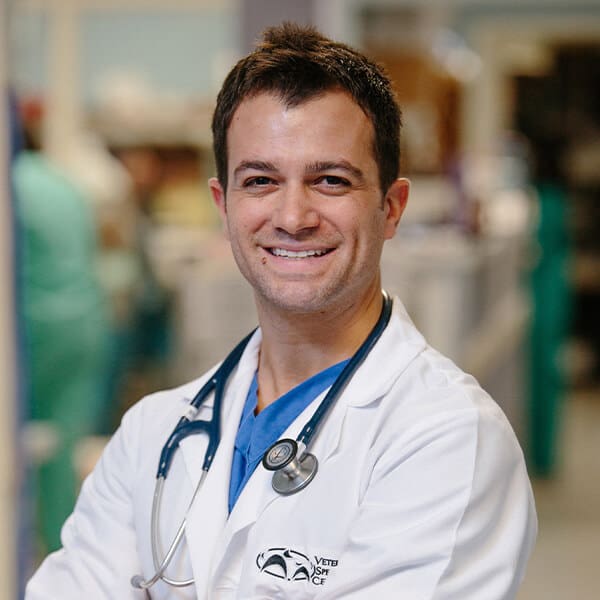
Robert Armentano DVM, DACVIM Hyperadrenocorticism (HAC), or Cushings disease, is a very common hormone disorder in dogs and with proactive, routine testing is often diagnosed as an incidental finding. Pets with active clinical signs require testing and treatment but pets with subtle or no overt signs of HAC can be much more challenging. Due to…
Read MoreDiabetes in Cats

Mimi Noonan, DVM, DACVIM Diabetes is a common hormonal problem of cats and occurs when there is either a deficiency of insulin or cellular resistance to its effects. Cats with diabetes most commonly come to the veterinarian because they are losing weight, drinking excessive amounts of water and urinating more frequently. Just like with humans,…
Read MoreManaging the Opioid Crisis through Opioid-Free Anesthetic Techniques

Katie Bennett, DVM, DACVAA The opioid crisis of 2017 is not far from our minds as our world again faces challenges in the midst of the COVID-19 pandemic. This makes opioid-free anesthetic techniques even more relevant, as opioids may become more difficult to keep in stock in many veterinary hospitals as they become widely used…
Read MoreWhy does Fido’s breath smell so bad?

Carolynne Kruckman-Gatesy, DVM, MS, DACVR (Radiation Oncology) In these uncertain times of viral infectious disease (I’m talking about you, COVID-19), one thing that doesn’t stop moving is cancer. Oral tumors in pets can be hard to diagnose, because – while Fluffy may love to sneak in those French kisses or pant right in your face…
Read MoreGasping for Air: Oxygen Therapy Treatments Available in Veterinary Medicine

By Brooke Davis, BS, CVT, LVT, VTS (ECC) We are hearing a lot about the worldwide need for ventilators lately because so many people are having trouble breathing on their own due to COVID-19. Mechanical ventilation is needed with respiratory failure or when a disease process is affecting the lungs so badly that you are…
Read More