
Posts by KatarinaR
My Dog Can’t Stand Up—What Should I Do?
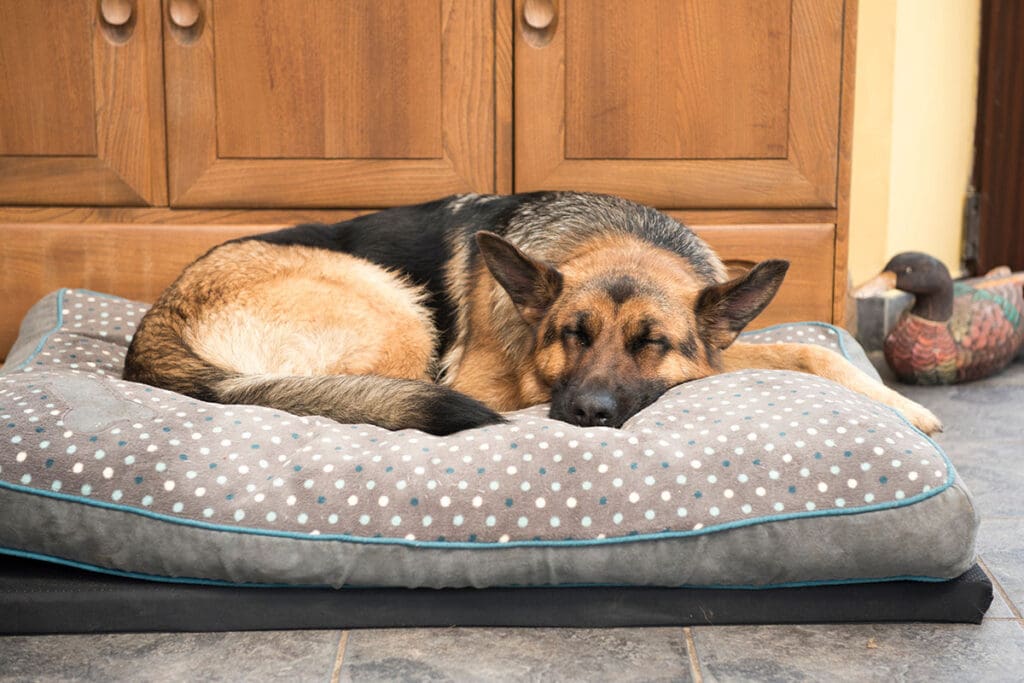
My Dog Can’t Stand Up—What Should I Do? If your dog can’t stand up, treat it as a medical concern that requires prompt veterinary attention. A dog suddenly unable to walk or a dog having trouble standing may be experiencing pain, neurological dysfunction, injury, or systemic illness. Keep your dog calm, limit movement, and contact…
Read MoreWhat To Do if Your Dog Is Having a Seizure

What To Do if Your Dog Is Having a Seizure If your dog is having a seizure, focus on keeping them safe, avoiding direct contact with their mouth, timing the episode, and contacting a veterinarian as soon as possible. Seizures in dogs can look alarming, but calm, informed actions can help reduce risk and support…
Read MoreMost Common Causes for Paralysis in Cats

Most Common Causes for Paralysis in Cats Paralysis in cats occurs when something disrupts the normal communication between the brain, spinal cord, and nerves. This condition can develop suddenly or progress over time, depending on the underlying cause. A cat with paralysis may have trouble moving one or more limbs, appear weak, or struggle with…
Read MoreWobbler Syndrome in Dogs: Causes, Symptoms, and Treatment
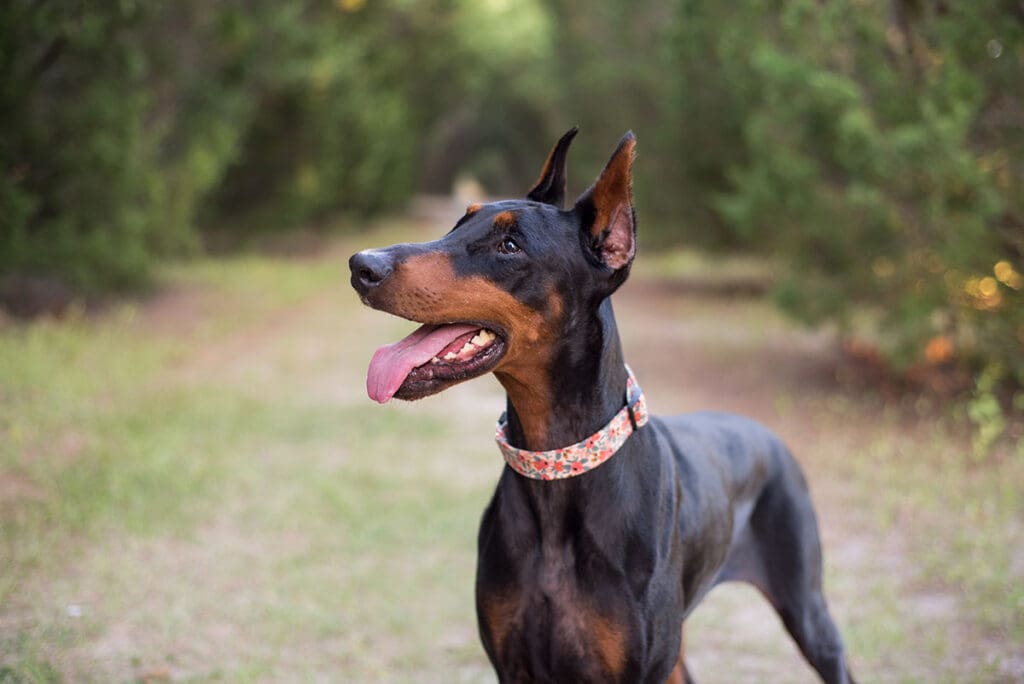
Wobbler Syndrome in Dogs: Causes, Symptoms, and Treatment Wobbler syndrome in dogs is a neurologic condition that affects the cervical spine, leading to spinal cord compression and causing an unsteady, wobbly gait, especially in the hind legs. It most often appears in large and giant breed dogs and can progress over time, affecting mobility, coordination,…
Read MoreEverything to Know About Osteoarthritis in Cats

Everything to Know About Osteoarthritis in Cats Osteoarthritis in cats is a progressive, degenerative joint condition that leads to inflammation, cartilage breakdown, and decreased mobility over time. A cat with osteoarthritis often shows subtle changes first, such as reduced jumping, stiffness after rest, or shifts in behavior that reflect discomfort. Because cats instinctively mask pain,…
Read More