
Arthritis in Cats: Signs, Treatment Options, and How to Improve Mobility
Arthritis in cats is a painful, progressive joint condition that often shows up as reluctance to jump, litter box accidents, less grooming, and more time spent resting. Although it can’t be cured, veterinary treatments like prescription pain management, weight control, rehabilitation, and simple changes around the home can greatly improve comfort and mobility.
Many cat owners are surprised to learn how common this condition is. Research suggests that the majority of cats over 12 years old show evidence of degenerative joint disease on X-rays, yet only a small portion are ever diagnosed. Cats are masters at hiding pain, and the changes arthritis causes are easy to mistake for normal aging. At Veterinary Specialty Center in Bannockburn, Illinois, our team works alongside primary care veterinarians to diagnose and manage orthopedic conditions in pets of all ages, including arthritis in cats. From spotting the early signs to understanding diagnosis and treatment, you’ll find practical ways to help your cat move more comfortably at home.
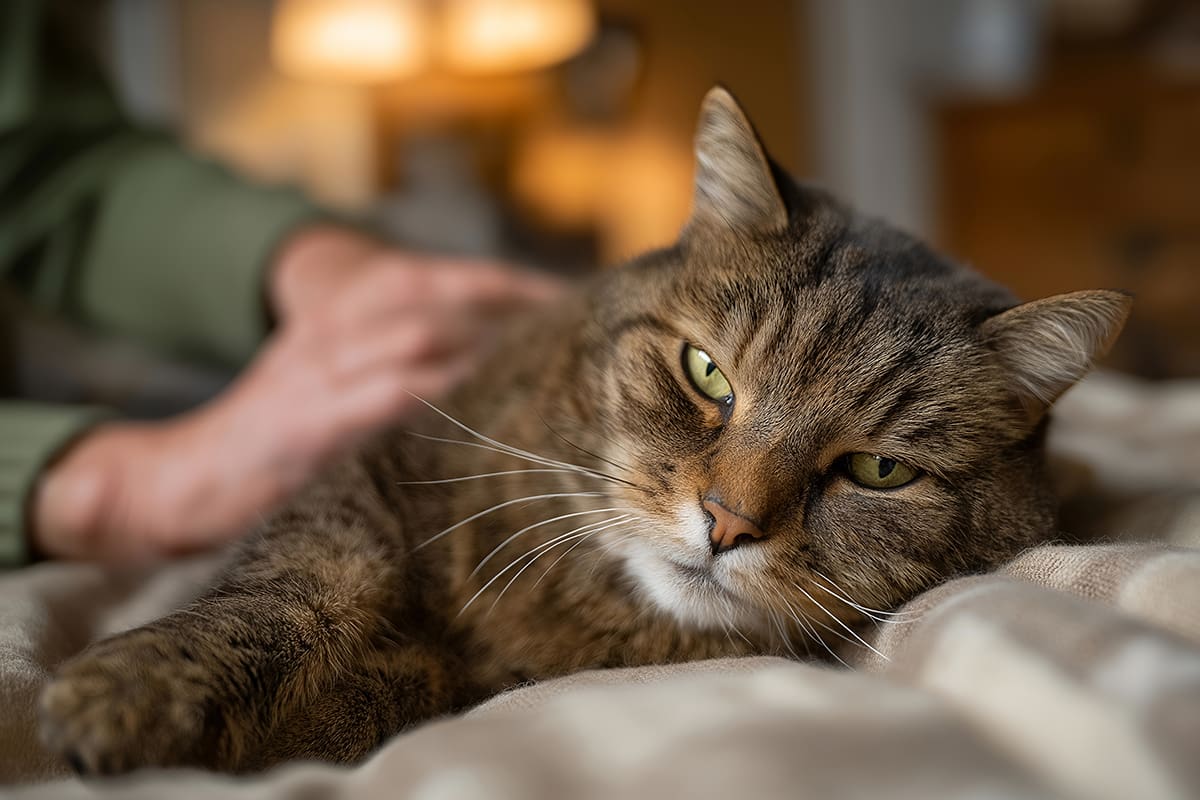
What Are the Common Signs of Arthritis in Cats?
Arthritis in cats rarely causes an obvious limp. Instead, it tends to change how your cat moves, rests, and behaves in quiet, gradual ways.
Changes in Movement and Daily Habits
Watch for these subtle clues, especially in middle-aged and senior cats:
- Hesitating before jumping up or down, or no longer reaching favorite high spots
- Using furniture or chairs as “steps” instead of leaping directly
- Urinating or defecating outside the litter box, often because stepping over the edge hurts
- A matted or unkempt coat along the back and hips from reduced grooming
- Overgrown nails from less scratching and activity
- Stiffness after naps or a stilted walk when first getting up
- Irritability when petted or handled near the spine or hips
Why These Signs Are Easy to Miss
Many owners assume an older cat is simply “slowing down.” In reality, those shifts in behavior are often the only way a cat communicates chronic discomfort. Arthritis in cats most commonly affects the hips, elbows, knees, and spine, and it frequently involves more than one joint. Because both sides of the body are often affected, cats may not favor one leg the way dogs do. Some cats also become more withdrawn, spend more time hiding, or show less interest in family activities they once enjoyed.
If your cat’s routine has changed, even slightly, mention it at your next veterinary visit. Comparing what your cat does now with what they did a year or two ago is one of the most helpful ways to spot a problem.
How Do Veterinarians Diagnose Joint Disease in Cats?
Diagnosing feline joint disease takes a combination of history, observation, and imaging. Cats often behave differently in the exam room, which makes your observations at home especially valuable.
The Role of Your Observations
Your veterinarian may ask you to complete a mobility checklist that scores activities like jumping, climbing stairs, grooming, and playing. Photos or short videos of your cat moving around the house can reveal stiffness that disappears once a nervous cat is on the exam table. These details often provide the strongest early evidence of arthritis in cats.
Physical Exam and Imaging
During the exam, your veterinarian gently flexes and extends each joint, checking for pain, thickening, grinding, or reduced range of motion. Radiographs help confirm joint changes and rule out other causes of discomfort, such as old injuries or bone disease. Blood work and a urinalysis are often recommended as well, because many senior cats also have kidney disease or other conditions that influence which treatments are safe.
Looking at the Whole Cat
Arthritis rarely exists in isolation in older pets. A complete evaluation lets your veterinary team build a plan that relieves joint pain while protecting your cat’s overall health. Conditions such as hyperthyroidism, dental disease, and diabetes can also affect energy and appetite, so separating those issues from arthritis in cats makes sure each problem gets the right attention. Younger cats aren’t exempt either, since past injuries and certain breed traits can lead to joint changes earlier in life.
What Treatment Options Are Available for Feline Arthritis?
There is no cure for arthritis in cats, but a thoughtful, multimodal plan can reduce pain and slow further decline. Your veterinarian will tailor treatment to your cat’s age, health, and severity of disease.
Prescription Pain Management
Cats process many medications very differently than people and dogs, and several common human pain relievers are highly toxic to them. Never give your cat any over-the-counter medication. Other prescription medications may be used when appropriate after reviewing kidney function and other health factors. Pain control is often the single biggest factor in improving quality of life for cats living with arthritis.
Weight Management and Nutrition
Extra weight puts added stress on painful joints. Your veterinarian may recommend a gradual weight-loss plan or a therapeutic diet formulated for joint health. Omega-3 fatty acids and other veterinarian-recommended supplements can also play a supporting role.
Rehabilitation and Complementary Therapies
Physical rehabilitation isn’t only for dogs. Laser therapy, gentle therapeutic exercises, and acupuncture performed by trained professionals may help some cats move more freely. These therapies are usually combined with medication and weight management for the best results, and many cats tolerate short, calm sessions well.
When a Surgical Consultation Makes Sense
Most cases of arthritis in cats are managed medically. However, when joint pain stems from an underlying orthopedic problem, such as a previous fracture, hip dysplasia, or a dislocating kneecap, a board-certified surgeon can evaluate whether a procedure might relieve pain or improve function.
How Can I Improve Mobility and Comfort for a Cat With Arthritis?
Small changes around your home can make a meaningful difference for a cat with sore joints. Arthritis in cats often makes familiar routines harder, so the goal is to bring everything your cat needs within easy reach. These adjustments work alongside your veterinarian’s treatment plan rather than replacing it.
Simple Home Adjustments
Consider these changes to help your cat navigate daily life more easily:
- Provide a litter box with at least one low side for easy entry
- Add ramps, pet stairs, or sturdy step stools to favorite perches, beds, and windowsills
- Place food, water, and litter on the same floor your cat spends most of the day on
- Offer soft, padded beds in warm, draft-free spots
- Lay down rugs or runners on slippery floors for better traction
Supporting Activity and Connection
Gentle play with wand toys encourages movement without high jumps, and short sessions spread throughout the day are easier on stiff joints. Helping with grooming using a soft brush can keep hard-to-reach areas tidy and gives you a chance to notice changes in your cat’s body. Regular rechecks allow your veterinarian to adjust the plan as your cat’s needs change. Because arthritis in cats progresses over time, a plan that works well today may need fine-tuning in six months.
Helping Your Cat Enjoy Their Senior Years
Arthritis in cats is common, but it doesn’t have to mean a life of quiet discomfort. Recognizing the subtle signs, getting an accurate diagnosis, and following a veterinarian-guided plan can help your cat jump, groom, and explore with more confidence. Many cats become noticeably more social and playful once their pain is under control. Treating arthritis in cats early helps preserve muscle strength and independence for as long as possible.
Our team at Veterinary Specialty Center collaborates with primary care veterinarians across the Chicago area to evaluate complex orthopedic conditions in both dogs and cats. If your cat has stopped jumping, is missing the litter box, or seems stiff and withdrawn, we can help you understand the cause and your options. Learn more about our orthopedic procedures, or call (847) 459-7535 to schedule a consultation at our Bannockburn hospital.
Recent Posts
About Us
Veterinary Specialty Center is a privately-owned, 24/7 emergency and specialty animal hospital located in Bannockburn, IL. Since 1976, their team of board-certified specialists has delivered advanced, compassionate care, leading the way with innovative treatments and a collaborative approach.