
Does My Dog Need TPLO Surgery? Signs of a Torn ACL (CCL)
Your dog may need TPLO surgery if a veterinarian confirms a partial or complete tear of the cranial cruciate ligament (CCL), especially in a medium, large, or active dog with ongoing hind-leg lameness. TPLO surgery is widely considered the most reliable way to stabilize the knee after a CCL tear, and more than 90% of dogs regain full or near-full function in the affected leg.
Pet owners often call this injury a “torn ACL” because the CCL is the canine version of the anterior cruciate ligament in people. It is one of the most common reasons dogs limp on a back leg, and it rarely heals well on its own. Without treatment, the unstable knee tends to develop arthritis, and the risk of meniscal damage increases over time. At Veterinary Specialty Center in Bannockburn, Illinois, our board-certified surgeons perform TPLO surgery for patients referred from across the Chicago area and North Shore. This article walks through the warning signs of a CCL tear, how the injury is confirmed, when TPLO is the best choice, and what the road to recovery looks like.
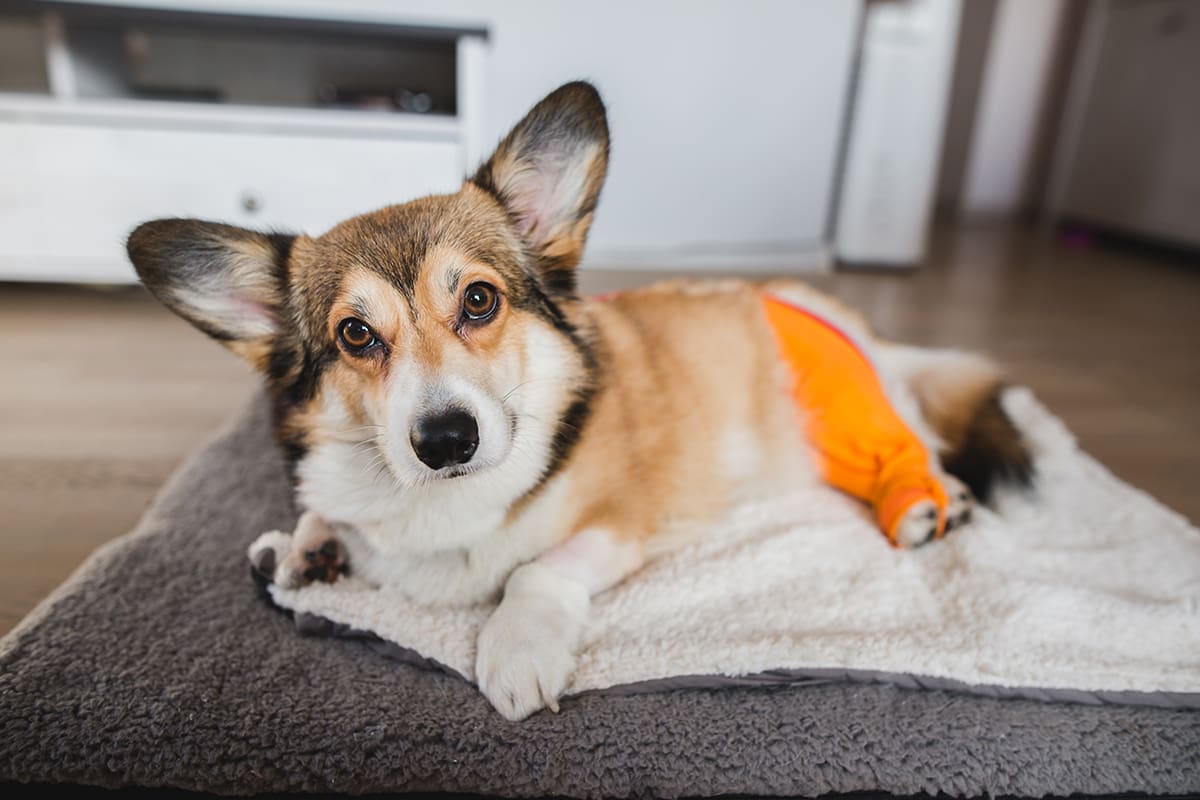
What Are the Signs of a Torn ACL (CCL) in Dogs?
A CCL injury can happen suddenly during play or develop gradually as the ligament weakens over time. Either way, the knee becomes unstable, and that instability causes pain and inflammation.
Symptoms Owners Commonly Notice
Look for these changes, which often appear in one back leg first:
- Sudden limping or holding up a hind leg after running, jumping, or twisting
- Toe-touching, where only the tips of the toes rest on the ground
- Sitting with the affected leg kicked out to the side instead of tucked neatly under the body
- Stiffness after rest that improves slightly with movement
- Swelling or thickening along the inside of the knee
- A clicking sound while walking, which can signal a torn meniscus
- Muscle loss in the thigh of the affected leg
Partial Tears Can Be Sneaky
Not every CCL injury causes a dramatic limp. With a partial tear, lameness may come and go for weeks or months, improving with rest and flaring up after activity. Many partial tears progress to complete ruptures, so intermittent hind-leg lameness deserves a veterinary exam even if your dog seems fine most of the time.
The Other Knee Matters Too
Research shows that a significant number of dogs who tear one CCL will eventually injure the ligament in the opposite knee. Watching both back legs closely helps your veterinary team catch a second injury early.
How Do Veterinarians Confirm a CCL Tear?
Diagnosing a cruciate injury involves a careful orthopedic exam and imaging. Because an anxious dog may tense the leg muscles and mask instability, sedation is sometimes needed for an accurate assessment.
Hands-On Stability Tests
Your veterinarian or surgeon will check for abnormal movement in the knee using two key tests. The cranial drawer test looks for forward sliding of the shinbone relative to the thigh bone, and the tibial thrust test checks for the same motion while the ankle is flexed. Either finding strongly suggests a torn ligament. Partial tears can be harder to detect, since the knee may feel only slightly loose.
Imaging and Surgical Evaluation
Radiographs can reveal fluid in the joint, early arthritis, and other changes that support the diagnosis. X-rays are also used to measure the slope of the tibial plateau, which is essential for planning TPLO surgery. In some cases, a surgeon may examine the joint directly during surgery to assess the ligament and check the meniscus, a cushioning cartilage that is often damaged alongside the CCL.
Your observations at home remain an important part of the picture. Notes on when the limp started and how it changes with activity help your veterinary team decide on next steps. Once a tear is confirmed, your veterinarian can discuss whether a referral for TPLO surgery makes sense.
When Is TPLO Surgery the Best Option for a Dog With an ACL Injury?
Several approaches exist for treating a torn cruciate ligament, and the right one depends on your dog’s size, age, activity level, and overall health. Dog TPLO surgery has become the preferred technique for many patients because it changes the mechanics of the knee rather than trying to replace the ligament.
How TPLO Works
During the procedure, the surgeon makes a curved cut in the top of the tibia, rotates the tibial plateau to a more level angle, and secures it with a specialized plate and screws. This new angle stops the shinbone from sliding forward when your dog bears weight, which stabilizes the knee without relying on the torn ligament. The surgeon also inspects the meniscus during dog TPLO surgery and addresses any damage found.
Dogs Who Benefit Most
A board-certified surgeon may recommend dog TPLO surgery for:
- Medium, large, and giant breed dogs with partial or complete CCL tears
- Athletic, working, or highly active dogs of any size
- Dogs with persistent lameness despite a period of conservative management
- Dogs at risk for progressive arthritis due to ongoing knee instability
Other Treatment Approaches
Some smaller, less active dogs may do well with an extracapsular (lateral suture) repair, which uses a strong implant outside the joint to mimic the ligament. Other osteotomy procedures are available as well. Nonsurgical management with rest, weight control, and rehabilitation is occasionally considered for very small dogs or pets who aren’t good surgical candidates, though instability and arthritis often continue. Your surgeon will explain the pros and cons of each option for your dog. For the majority of dogs, TPLO surgery is often preferred because of the durable mechanical stability it provides.
What Does Recovery From Dog TPLO Surgery Look Like?
Recovery from TPLO surgery takes commitment, but most dogs make steady, encouraging progress. Many begin placing some weight on the leg within just a few days of surgery.
The Healing Timeline
Bone healing takes many weeks, and a full return to normal activity usually takes several months. During that time, your dog will need strict activity restriction, veterinarian-prescribed pain management, incision monitoring, and sometimes follow-up X-rays to confirm the bone is healing. Your surgical team will provide detailed discharge instructions and adjust activity levels at each recheck.
Support Beyond the Operating Room
Veterinary Specialty Center offers customized TPLO aftercare programs, including educational videos that walk families through each stage of recovery. Our dedicated rehabilitation and integrative medicine team can also build a therapy plan to help rebuild muscle and restore a normal gait. Rehabilitation after TPLO surgery often helps patients regain strength faster and with more confidence.
Long-Term Outlook
Most dogs experience significant pain relief and return to walks, play, and even sports after healing is complete. Maintaining a lean body weight afterward protects both knees and supports long-term joint health. Regular checkups also give your veterinarian a chance to monitor the opposite knee and address any early changes.
Getting Your Dog Back on Four Strong Legs
A torn CCL can be painful and frustrating, but it is also one of the most treatable orthopedic injuries in dogs. Recognizing the signs early, getting an accurate diagnosis, and choosing the right repair give your dog the best chance at a strong, stable knee. For many pets, TPLO surgery offers a durable, long-term solution that lets them get back to the activities they love.
If your dog is limping on a back leg or has been diagnosed with a cruciate ligament tear, the surgical team at Veterinary Specialty Center is here to help. Our AAHA-accredited hospital in Bannockburn offers advanced orthopedic surgery, rehabilitation, and 24-hour emergency care under one roof. Learn more about TPLO surgery at our hospital, or call (847) 459-7535 to schedule a consultation.
Recent Posts
About Us
Veterinary Specialty Center is a privately-owned, 24/7 emergency and specialty animal hospital located in Bannockburn, IL. Since 1976, their team of board-certified specialists has delivered advanced, compassionate care, leading the way with innovative treatments and a collaborative approach.