
TPLO Recovery Timeline for Pets: What to Expect Week by Week
The typical TPLO recovery timeline for pets spans about 12 to 16 weeks, with most dogs bearing some weight on the leg within days and returning to full activity once X-rays confirm the bone has healed. The first two weeks center on rest and incision healing, weeks three through eight bring gradually longer leash walks, and the final phase rebuilds strength until your surgeon gives the all-clear.
Tibial plateau leveling osteotomy (TPLO) is one of the most successful procedures for a torn cranial cruciate ligament, but the surgery is only half of the equation. What happens at home over the following months plays a huge role in the final result. At Veterinary Specialty Center in Bannockburn, Illinois, our board-certified surgeons perform TPLO surgery and support families through every stage of healing with customized aftercare programs. This guide breaks down the TPLO recovery timeline for pets into clear milestones so you know what to expect, what progress looks like, and when to reach out to your surgical team.
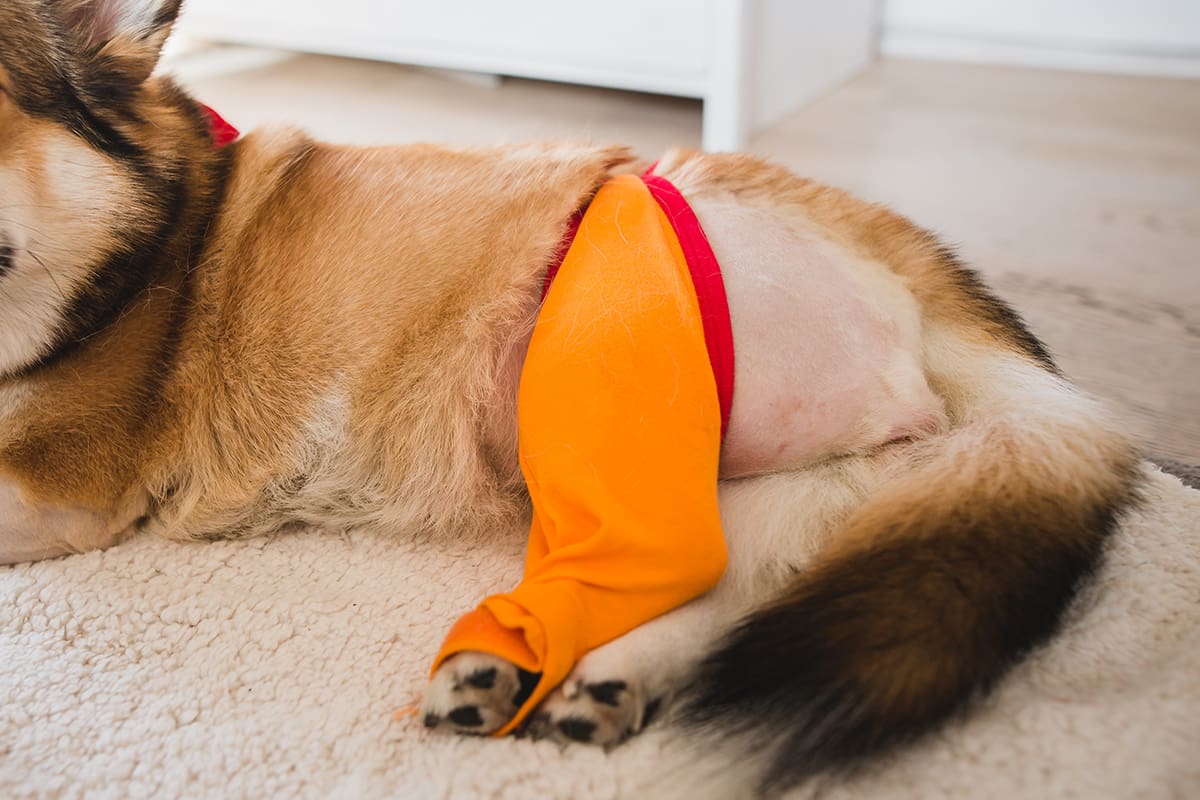
What Happens During the First Two Weeks After TPLO Surgery?
The opening stretch of recovery focuses on comfort, rest, and protecting the incision. Your dog’s body is doing a lot of healing behind the scenes, even when things look quiet.
Coming Home From the Hospital
Most dogs head home within a day or so of surgery. They may be drowsy from anesthesia, eat less than usual for the first day, and move cautiously. Many pets start toe-touching or placing light weight on the operated leg within the first few days, which is an encouraging early sign. Mild bruising and swelling around the knee and lower leg are also common during this stage and usually fade within the first week. Setting up a quiet recovery area before surgery day makes the transition home smoother for everyone.
What This Phase Usually Includes
During these first 14 days, your surgical team will typically ask for:
- Strict confinement to a crate, pen, or small room when your dog isn’t directly supervised
- Short, leashed potty breaks only, often with a sling or towel for support on slippery surfaces
- Continuous use of an e-collar or recovery suit to prevent licking at the incision
- Veterinarian-prescribed pain medication given exactly as directed
- A recheck appointment around day 10 to 14 for an incision check and suture or staple removal
Why Patience Pays Off Early
Some dogs feel surprisingly good just a few days after surgery and want to bounce around. That burst of energy is exactly when injuries happen. The bone cut made during TPLO hasn’t healed yet, so the plate and screws are doing the heavy lifting. Sticking to the plan now sets the tone for the rest of the TPLO recovery timeline for pets.
How Does Healing Progress Between Weeks 3 and 8?
Once the incision has closed, the focus shifts from protection to controlled, gradual movement. This middle phase is where many dogs show the most visible improvement.
Longer Walks, Still on a Leash
Your surgeon will usually approve short leash walks that increase by a few minutes each week. Confinement continues between walks, and furniture, stairs, and jumping remain off-limits. Most dogs walk with a noticeably smoother gait by week six, though some still limp after longer outings. Progress is rarely perfectly steady, and a slightly stiff day after a longer walk doesn’t necessarily mean something is wrong. Following the TPLO recovery timeline for pets your surgeon provides, rather than your dog’s energy level, is the safest way to decide when to do more.
The Role of Rehabilitation
Many surgeons recommend starting formal physical rehabilitation during this window. Veterinary rehab specialists may use underwater treadmill sessions, guided strengthening exercises, and other therapies to rebuild thigh muscle and improve range of motion. Veterinary Specialty Center offers a dedicated rehabilitation and integrative medicine service, so your dog’s therapy plan can be coordinated directly with the surgical team. Structured rehab can make the TPLO recovery timeline for pets feel more manageable, since each session gives you clear goals and measurable progress.
The Eight-Week Checkpoint
Around six to eight weeks after surgery, your dog will return for follow-up radiographs. These X-rays show whether the bone cut has healed and whether the implants remain stable. This appointment is a major milestone in the TPLO recovery timeline for pets, because the results determine how quickly activity can increase from here.
When Can My Dog Return to Normal Activity After TPLO Surgery?
Most dogs can begin returning to normal activity after follow-up X-rays confirm bone healing, usually around eight weeks, with a full return to running and play often taking three to four months. The exact pace depends on your dog’s age, size, fitness, and how healing looks on imaging. Younger dogs often heal bone faster, while older or larger dogs may need a bit more time. No two patients follow an identical TPLO recovery timeline for pets, so your surgeon’s guidance should always take priority over general estimates.
Weeks 8 to 12: Gradual Reintroduction
If X-rays look good, your surgeon will outline a step-by-step plan to rebuild fitness. Walks get longer, gentle hills or varied terrain may be added, and controlled activities replace strict confinement. Off-leash time is typically introduced slowly and only with your surgeon’s approval.
Weeks 12 to 16 and Beyond: Back to Being a Dog
By the end of the TPLO recovery timeline for pets, most dogs are cleared for running, fetch, and play with other dogs. Athletic and working dogs may need a longer conditioning period before returning to agility, hunting, or other demanding activities. Many owners report that their dog moves better than before the injury once muscle strength fully returns.
Signs your dog may be ready for more activity include:
- Consistent weight bearing on the operated leg at a walk and trot
- Thigh muscle that is rebuilding toward the size of the other leg
- No stiffness or limping after longer walks
- Follow-up X-rays confirming a healed osteotomy
What Can Slow Down TPLO Recovery?
Most dogs move through recovery without major setbacks, but a few factors can stretch the timeline. Knowing them helps you spot problems early and keeps the TPLO recovery timeline for pets on track.
Common Causes of Delays
Too much activity too soon remains the leading cause of complications, including implant loosening or injury to the healing bone. Incision infections, extra body weight, and underlying health conditions can also lengthen the TPLO recovery timeline for pets. In some dogs, the meniscus inside the knee can be injured after surgery, causing a sudden return of lameness weeks later.
When to Contact Your Surgical Team
Call your veterinarian promptly if you notice:
- Redness, swelling, discharge, or a bad smell at the incision
- A sudden decrease in weight bearing after steady improvement
- A new clicking sound from the knee
- Lethargy, fever, or loss of appetite
Addressing concerns quickly often keeps a minor issue from becoming a major setback. Never try to diagnose or treat a surgical site problem on your own.
Supporting Your Dog Through Every Stage of Healing
Understanding the TPLO recovery timeline for pets helps you plan ahead, set realistic expectations, and recognize healthy progress. The effort you put into confinement, leash walks, and recheck visits pays off with a stable, comfortable knee and a dog who can get back to the activities they love. Every patient heals a little differently, so always follow the specific instructions your surgeon provides. Cats and small dogs occasionally undergo TPLO as well, and the TPLO recovery timeline for pets of any size follows the same basic principles of rest, gradual activity, and imaging to confirm healing.
Veterinary Specialty Center provides TPLO surgery, follow-up imaging, rehabilitation, and customized aftercare videos to guide families from surgery day to full recovery. Our AAHA-accredited hospital in Bannockburn also offers 24-hour emergency care if concerns arise after hours. Learn more about TPLO surgery at our hospital, or call (847) 459-7535 to schedule a consultation.
Recent Posts
About Us
Veterinary Specialty Center is a privately-owned, 24/7 emergency and specialty animal hospital located in Bannockburn, IL. Since 1976, their team of board-certified specialists has delivered advanced, compassionate care, leading the way with innovative treatments and a collaborative approach.